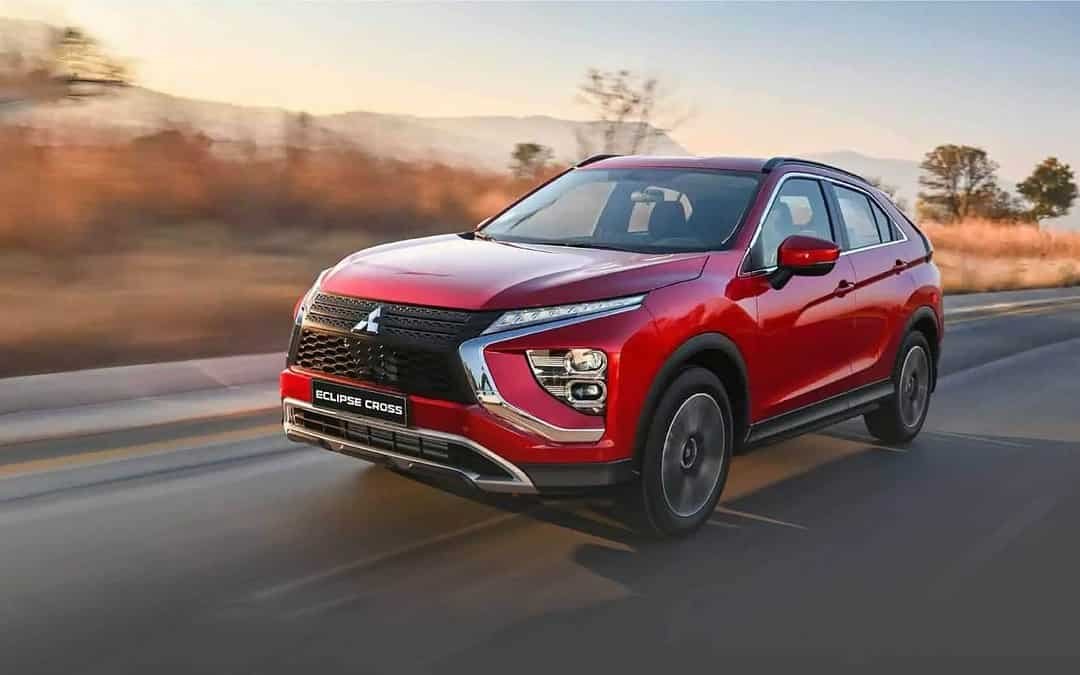
When purchasing a vehicle in Bangladesh, safety should never be an afterthought. From navigating Dhaka’s chaotic traffic to handling monsoon-flooded roads and unpredictable highway conditions, your car must protect you and your loved ones in all situations. Mitsubishi Motors Bangladesh understands these unique challenges and has engineered its complete lineup—the Xpander, Eclipse Cross, Outlander Sport, and L200—with comprehensive safety systems that go far beyond basic requirements. This detailed guide explains exactly how Mitsubishi’s advanced safety technologies protect you on Bangladesh’s roads.
Understanding Mitsubishi’s Safety Philosophy: Protection Through Engineering Excellence
Mitsubishi Motors has spent over a century perfecting automotive safety engineering. The company’s safety philosophy rests on three fundamental pillars: preventing accidents before they occur through active safety systems, protecting occupants when collisions are unavoidable through passive safety structures, and designing vehicles that protect pedestrians and other road users.
This comprehensive approach means Mitsubishi vehicles incorporate layers of protection working together to keep you safe. Active systems like stability control and traction management help you avoid accidents. Passive systems including the RISE body structure and airbags protect you if collision occurs. Intelligent systems like Forward Collision Mitigation actively intervene to prevent or reduce accident severity.
For Bangladesh’s challenging driving environment—where motorcycles, rickshaws, pedestrians, and vehicles share crowded roads—this multi-layered safety approach proves essential. Mitsubishi’s safety engineering specifically addresses the real-world conditions you face daily.
RISE Body Technology: The Foundation of Mitsubishi Safety
What is RISE?
RISE (Reinforced Impact Safety Evolution) represents Mitsubishi’s patented safety body construction system, first introduced in 1996 and continuously refined across all Mitsubishi models. Every Mitsubishi vehicle sold in Bangladesh—Xpander, Eclipse Cross, Outlander Sport, and L200—incorporates this advanced body structure as standard.
RISE is a monocoque body system combining energy-absorbing front and rear sections with a strong, rigid occupant cell. Think of it as a protective cage surrounding passengers. The structure is designed to absorb collision energy and distribute impact forces away from the passenger compartment, maintaining cabin integrity even in severe crashes.
How RISE Works
The RISE body structure employs several sophisticated engineering principles. Strategic crumple zones at the front and rear of the vehicle are designed to collapse in controlled manner during impact, absorbing kinetic energy before it reaches passengers. High-tensile strength steel reinforcing bars in doors create side impact protection, preventing door intrusion into the cabin. Energy-absorbing materials in side pillars and roof rails further protect against side impacts and rollovers.
The occupant cell itself uses one-piece shell construction with exceptional bending and torsional rigidity, creating a steel safety cage that maintains its shape even under extreme forces. This rigid passenger cell prevents cabin deformation that could trap or injure occupants.
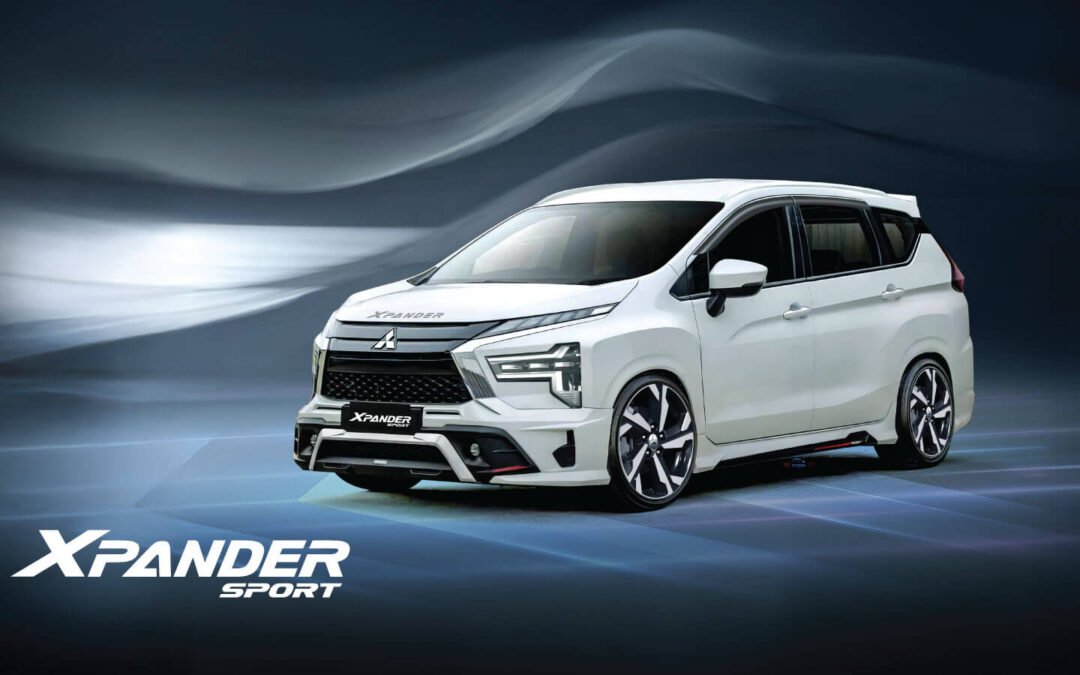
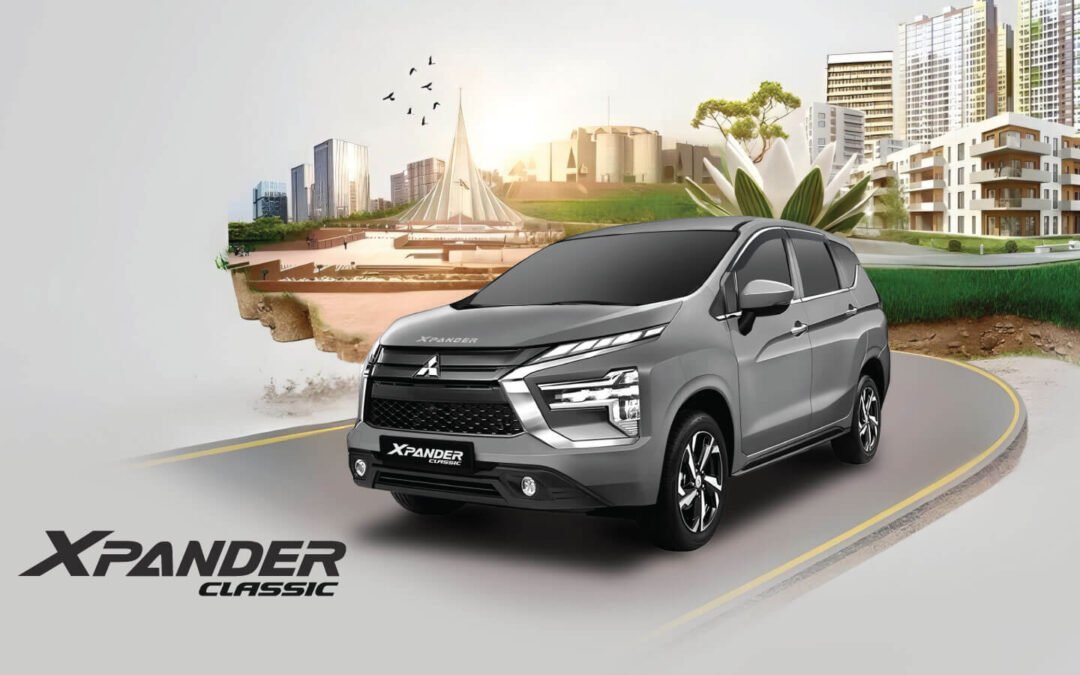
In the Mitsubishi Xpander, manufactured right here in Bangladesh at Rancon Auto Industries Limited, the RISE body structure uses strategically placed high-tensile steel to maximize protection while optimizing weight. The front and rear crumple zones efficiently absorb collision energy, while the reinforced A, B, and C pillars maintain structural integrity.
The Eclipse Cross features enhanced RISE construction with additional support members creating even stiffer, safer unibody. MASH seam welding improves structural rigidity beyond previous generations. Larger side member reinforcements absorb and dissipate impact energy toward the rear of the vehicle, distributing collision forces across the entire structure rather than concentrating them at the impact point.
RISE Protection for Pedestrians
Mitsubishi’s RISE technology extends beyond protecting vehicle occupants to safeguarding pedestrians—crucial in Bangladesh where pedestrians, cyclists, and motorcyclists constantly share the road. The Dynamic Shield front design incorporates specific pedestrian protection features.
Front pedestrian impact crumple zones are built into the bumper and lower body panels, designed to reduce injury severity if the vehicle contacts a pedestrian. The hood and fender designs include energy-absorbing structures that reduce impact forces on pedestrians. The front end geometry is optimized to reduce the severity of pedestrian impacts at typical collision speeds in urban areas.
This pedestrian-focused safety engineering recognizes the reality of Bangladesh’s roads, where unexpected pedestrian encounters occur frequently despite drivers’ best efforts.
Real-World RISE Performance
The RISE body structure’s effectiveness isn’t theoretical—it’s proven through rigorous crash testing. While specific Bangladesh crash test data may not be publicly available, Mitsubishi vehicles with RISE technology consistently achieve strong safety ratings in international markets.
The fundamental principle remains constant: energy absorption and cabin protection work together to minimize injury severity. For Bangladesh drivers facing everything from highway collisions to urban fender-benders, this comprehensive protection provides crucial peace of mind.
Airbag Systems: Multi-Stage Protection Across All Mitsubishi Models
Xpander Airbag Configuration
The Mitsubishi Xpander comes equipped with front SRS (Supplemental Restraint System) airbags protecting both driver and front passenger. These airbags deploy in milliseconds during frontal collisions, providing crucial cushioning that prevents occupants from striking the steering wheel, dashboard, or windshield.
The SRS airbag system uses sophisticated sensors monitoring deceleration and impact forces. When a collision of sufficient severity is detected, the system triggers airbag deployment with precisely calibrated timing. The airbags inflate instantly, then immediately begin controlled deflation to cushion the occupant while preventing secondary injuries from airbag impact itself.
Importantly, the Xpander’s airbag system is designed to work in conjunction with seatbelts—not as a replacement. Seatbelts provide primary restraint, while airbags offer supplemental protection. This combination maximizes occupant safety during collisions.
Eclipse Cross Advanced Airbag System
The Eclipse Cross takes airbag protection further with more comprehensive coverage. In addition to dual front airbags, the Eclipse Cross typically includes a driver’s knee airbag providing lower extremity protection during frontal impacts, preventing leg and knee injuries that could prove debilitating even if upper body is protected.
Side curtain airbags deploy from the roofline to protect heads during side impacts or rollover events, preventing occupants from striking door pillars or being ejected through windows. These curtain airbags remain inflated longer than frontal airbags, providing sustained protection during rollover sequences.
This expanded airbag coverage recognizes that collisions occur from multiple directions. T-bone intersections, side-swipes during lane changes, and multi-vehicle accidents all benefit from comprehensive airbag protection.
Outlander and L200 Safety Systems
The Outlander and L200, while specific airbag configurations may vary by exact model and trim level, incorporate comprehensive airbag systems befitting their roles as family SUV and work truck respectively. The Outlander typically features seven SRS airbags providing complete occupant protection, while the L200 includes front and driver’s knee airbags appropriate for its pickup configuration.
Proper Airbag Function: Critical Safety Reminders
For airbags to provide maximum protection, occupants must follow specific safety practices. Always wear seatbelts—airbags are supplemental restraint systems designed to work with seatbelts, not replace them. Maintain proper seating position with at least 25-30 centimeters between the steering wheel and driver’s chest, allowing airbags space to deploy safely. Ensure children ride in rear seats in appropriate child safety seats, as front airbags can injure small children who should never ride in front seats.
Never place objects on the dashboard or near airbag deployment zones, as these can become projectiles when airbags deploy. Keep airbag warning lights on your dashboard functioning—if the airbag light illuminates, have the system inspected immediately at an authorized Mitsubishi service center.
Active Stability Control (ASC): Your Electronic Safety Net
How ASC Works
Active Stability Control represents one of the most important active safety innovations in modern vehicles. The system continuously monitors your vehicle’s behavior, comparing your steering input with the vehicle’s actual movement. When ASC detects that the car isn’t going where you’re steering—indicating loss of traction or impending skid—it automatically intervenes to help maintain control.
ASC uses multiple sensors including wheel speed sensors monitoring each wheel’s rotational speed to detect wheel slip, steering angle sensors tracking your steering input, yaw rate sensors measuring the vehicle’s rotation around its vertical axis, and lateral acceleration sensors detecting sideways movement.
When the system detects instability, it responds with sophisticated interventions. Selective brake application applies braking force to specific wheels to help rotate the vehicle back on course. Engine power reduction temporarily reduces power output to prevent wheel spin and restore traction. Traction optimization redistributes power between wheels for maximum grip.
ASC in Bangladesh Driving Conditions
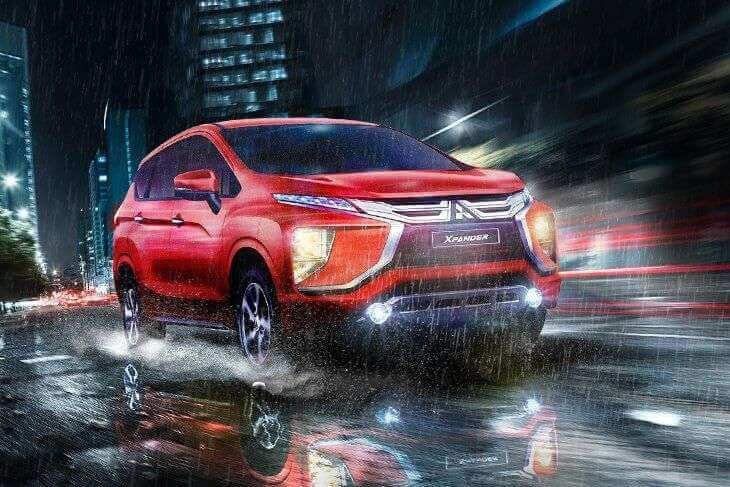
Bangladesh’s diverse road conditions make ASC particularly valuable. On wet roads during monsoon season, when sudden braking or sharp steering could cause skidding, ASC helps maintain control by preventing wheel lockup and managing power distribution. When navigating through waterlogged streets—a common occurrence in Dhaka and other cities during heavy rains—ASC detects wheel slip and adjusts power delivery to maintain forward progress.
On loose surfaces like gravel roads common in rural areas or under construction zones, ASC prevents excessive wheel spin that could leave you stuck or sliding sideways. During emergency maneuvers to avoid suddenly appearing rickshaws, pedestrians, or other vehicles, ASC helps you maintain steering control even during violent steering inputs that might otherwise cause loss of control.
The system works invisibly in the background, intervening only when needed. Most drivers never consciously notice ASC operation—they simply maintain control in situations where vehicles without ASC might skid or spin.
ASC Across Mitsubishi Models
All Mitsubishi models available in Bangladesh include Active Stability Control as standard equipment. Whether you’re driving the compact Xpander through city streets, the sporty Eclipse Cross on highways, the capable Outlander Sport on varied terrain, or the rugged L200 carrying loads on construction sites, ASC constantly monitors and helps maintain your control.
Anti-lock Braking System (ABS) and Electronic Brake-force Distribution (EBD)
ABS: Maintaining Steering Control During Emergency Braking
The Anti-lock Braking System prevents wheel lockup during hard braking, allowing you to maintain steering control even during panic stops. Before ABS, slamming on the brakes caused wheels to lock and skid, making the vehicle uncontrollable as locked wheels cannot provide steering response.
ABS monitors wheel speed constantly. When it detects a wheel beginning to lock during braking, it releases and reapplies brake pressure to that wheel multiple times per second—far faster than any human could pump the brakes. This rapid modulation prevents lockup while maintaining maximum braking force.
For Bangladesh drivers, this technology proves invaluable. When a rickshaw suddenly cuts in front of you on a wet road, ABS allows you to brake hard while simultaneously steering around the obstacle. On loose gravel or dirt roads in rural areas, ABS prevents the front wheels from locking and digging in, maintaining steering response. During highway emergencies when traffic suddenly stops, ABS helps you maintain vehicle control while stopping in the shortest distance possible.
EBD: Optimizing Brake Force Distribution
Electronic Brake-force Distribution works in conjunction with ABS to optimize brake force between front and rear wheels based on load conditions. When your vehicle carries passengers in rear seats or cargo in the back, weight shifts rearward. EBD automatically increases brake force to rear wheels to compensate for this weight distribution.
When the vehicle is lightly loaded with just a driver, EBD reduces rear brake force to prevent rear wheel lockup. During hard braking when weight transfers forward, EBD increases front brake force while reducing rear brake force, matching brake distribution to actual weight distribution for shortest stopping distances and maximum stability.
This intelligent brake management is particularly important for the L200 pickup truck, which experiences dramatic weight distribution changes between empty and loaded conditions. EBD ensures optimal braking performance whether the truck bed is empty or carrying heavy cargo.
Hill Start Assist (HSA): Preventing Rollback
Hill Start Assist, available on select Mitsubishi models, addresses a common challenge: preventing rollback when starting on steep inclines. When stopped on a hill, HSA maintains brake pressure for approximately two seconds after you release the brake pedal, giving you time to move your foot to the accelerator without the vehicle rolling backward.
This feature proves particularly useful in Bangladesh’s hilly regions like Bandarban and Chittagong Hill Tracts, and in urban situations like starting from a stop on flyover ramps in Dhaka. HSA prevents the stressful and potentially dangerous rollback that can occur when transitioning from brake to accelerator on inclines.
Forward Collision Mitigation (FCM): Intelligent Accident Prevention
Understanding FCM Technology
Forward Collision Mitigation represents Mitsubishi’s advanced driver assistance technology available on select models like the Eclipse Cross. The system uses radar or camera sensors to continuously monitor the road ahead, detecting vehicles, pedestrians, or obstacles in your path.
When FCM detects a potential collision, it responds with escalating interventions. First comes visual and audible warnings alerting you to the threat and prompting you to brake. If you don’t respond and collision risk increases, the system initiates automatic brake assist, amplifying your braking force if you do apply brakes. Finally, if collision is imminent and you still haven’t responded, FCM triggers autonomous emergency braking, automatically applying brakes to prevent collision or reduce impact severity.
FCM in Real-World Bangladesh Scenarios
Bangladesh’s traffic presents numerous scenarios where FCM provides crucial protection. When the vehicle ahead suddenly brakes in heavy traffic—a constant occurrence on Dhaka’s roads—FCM alerts you immediately and assists braking if needed. If a pedestrian steps into the road unexpectedly, FCM detects the threat and can brake automatically if you’re distracted. When approaching stopped traffic too quickly on highways, FCM warns you and intervenes if necessary.
The system particularly helps during driver fatigue or momentary distraction—those few seconds of inattention that could otherwise result in rear-end collision. While FCM is not a substitute for attentive driving, it provides an essential safety net for those unavoidable moments of reduced awareness.
FCM Limitations and Driver Responsibility
It’s crucial to understand that Forward Collision Mitigation is a supplemental safety system, not an autonomous driving feature. Drivers remain fully responsible for vehicle operation and must maintain constant awareness of road conditions. FCM may not detect all obstacles, particularly in heavy rain, fog, or against complex backgrounds. The system’s effectiveness depends on proper sensor function—keep sensors clean and unobstructed. Speed and road conditions affect the system’s ability to prevent collisions entirely.
Never rely on FCM as a substitute for safe driving practices. Consider it a backup safety system that may help avoid accidents when human reaction proves insufficient.
Traction Control System (TCS): Maximizing Grip and Stability
How Traction Control Works
Traction Control System prevents wheel spin during acceleration, particularly valuable on slippery surfaces. When you apply power and a wheel begins spinning faster than the others—indicating loss of traction—TCS intervenes to restore grip.
The system responds by reducing engine power output to the spinning wheel, applying brake pressure specifically to the spinning wheel to slow it down, and redistributing power to wheels with better traction. This automatic intervention helps you accelerate smoothly even on slippery surfaces without manual power modulation.
TCS Benefits in Bangladesh
Bangladesh’s varied road conditions make traction control particularly valuable. During monsoon season when roads become slippery, TCS helps you accelerate smoothly from traffic lights and intersections without wheel spin. On muddy or loose surfaces in rural areas, TCS prevents wheels from spinning uselessly, maintaining forward progress. When one wheel encounters a patch of water, mud, or gravel while others remain on solid pavement, TCS manages power distribution to maximize traction.
For the L200 pickup truck, traction control proves essential when carrying heavy loads that could cause rear wheel spin on loose surfaces. The Outlander’s all-wheel drive system works in conjunction with traction control to provide exceptional grip in challenging conditions.
Child Safety: Protecting Your Most Precious Passengers
ISOFIX Child Seat Anchors
Modern Mitsubishi vehicles include ISOFIX (International Standards Organization FIX) child seat mounting points in rear seats. These standardized anchors provide more secure child seat installation compared to seatbelt-only mounting.
ISOFIX anchors eliminate installation errors common with seatbelt mounting, creating rigid connection between child seat and vehicle structure for maximum protection. Top tether anchors prevent forward rotation of child seats during frontal impacts.
Child Safety Best Practices
To maximize child safety in your Mitsubishi, always use age and size-appropriate child safety seats—never allow children to ride unrestrained. Install child seats in rear seating positions, as front airbags can seriously injure small children. Follow child seat manufacturer’s installation instructions exactly, ensuring proper connection to ISOFIX anchors. Use top tether straps whenever provided to prevent forward rotation. Never place rear-facing child seats in front passenger position with active front airbag.
For the Xpander with its 7-seater configuration, the second-row seats typically include ISOFIX anchors, making it an excellent choice for families with multiple young children.
Parking Safety: 360° Camera and Sensors
Rearview Camera Systems
Modern Mitsubishi models like the Xpander Premium variant include rearview camera systems displaying the area behind your vehicle on the infotainment screen. This technology dramatically reduces backing accidents by eliminating blind spots behind the vehicle.
The camera activates automatically when you shift into reverse, providing clear view of obstacles, children, or objects directly behind the vehicle that would be invisible through mirrors alone. Guidelines displayed on the screen help you judge distances and trajectory, making parking in tight spaces easier and safer.
360° Camera System
The Xpander Premium variant features an advanced 360° camera system providing bird’s-eye view of the vehicle and its surroundings. Four cameras mounted at front, rear, and sides combine their images to create composite overhead view, allowing you to see all around the vehicle simultaneously.
This comprehensive visibility proves invaluable when parking in tight spaces common in Dhaka’s crowded areas, navigating narrow alleyways in older neighborhoods, and maneuvering in congested markets and commercial areas. The 360° camera eliminates blind spots, helping you avoid scrapes, dents, and collisions with pedestrians or obstacles.
Vehicle Security: Protecting Against Theft
Keyless Entry and Push-Button Start Security
Mitsubishi’s keyless entry system uses encrypted communication between the key fob and vehicle, making unauthorized access extremely difficult. The push-button start system requires the electronic key’s presence inside the vehicle, preventing hot-wiring or ignition bypass.
The system incorporates rolling code technology where the security code changes with each use, preventing code grabbers from capturing and replaying signals. If an unauthorized entry is detected, the security system activates alarms and immobilizer.
Engine Immobilizer
All modern Mitsubishi vehicles include electronic engine immobilizers that prevent engine starting unless the correct key with proper transponder chip is present. Even if someone gains physical access to the vehicle, they cannot start the engine without the properly coded key.
This immobilizer system has dramatically reduced vehicle theft rates worldwide, providing crucial protection for your investment.
Lighting and Visibility Safety
Automatic Headlight Control
Select Mitsubishi models feature automatic headlight activation that turns on headlights when ambient light decreases—entering tunnels, during dusk and dawn, or in heavy rain. This ensures you’re always visible to other road users and can see the road ahead without manually switching lights on.
The system also includes automatic high beam control on some models, switching between high and low beams based on oncoming traffic to maximize visibility without blinding other drivers.
LED Lighting Technology
Modern Mitsubishi models increasingly use LED lighting for headlights, taillights, and position lights. LED lights offer brighter, whiter light that improves visibility, lower power consumption reducing electrical system load, longer lifespan virtually eliminating bulb replacement, and faster illumination particularly important for brake lights where instant full brightness improves reaction time.
The Eclipse Cross features LED headlights and taillights as standard, providing excellent visibility in all conditions.
Tire Pressure Monitoring: Maintaining Critical Contact Patch
TPMS Importance
Tire Pressure Monitoring System alerts you when tire pressure drops below safe levels. Proper tire pressure is essential for safe vehicle operation, affecting braking distance, handling response, fuel efficiency, and tire longevity.
Underinflated tires increase the risk of blowouts, particularly dangerous at highway speeds or when carrying heavy loads. They also reduce fuel economy and cause uneven tire wear requiring premature replacement.
TPMS continuously monitors pressure in all four tires (and the spare in some systems), alerting you immediately if pressure drops below recommended levels. This allows you to address the problem before it becomes dangerous.
Bangladesh Tire Safety Considerations
Bangladesh’s road conditions pose particular challenges for tire maintenance. Sharp debris on roads increases puncture risk requiring frequent pressure checks, extreme heat increases air pressure and accelerates tire degradation, monsoon flooding can hide road damage that punctures tires, and rural roads with rough surfaces accelerate wear.
TPMS provides constant monitoring that manual checking cannot match, ensuring you’re immediately aware of pressure loss regardless of cause.
Structural Reinforcement: Beyond RISE
Door Impact Beams
All Mitsubishi vehicles include high-strength steel beams running horizontally through each door. These beams provide crucial side impact protection, preventing door intrusion into the cabin during T-bone collisions.
The door beams work in conjunction with RISE body structure’s B-pillar reinforcement to create strong side protection that maintains cabin integrity even in severe side impacts.
Roof Reinforcement
Roof crush resistance prevents roof collapse during rollover accidents. Mitsubishi vehicles include reinforced roof structures and pillars designed to maintain headroom even if the vehicle rolls over multiple times.
This reinforcement is particularly important for taller vehicles like the Outlander Sport and Eclipse Cross which have higher centers of gravity compared to sedans.
Bangladesh-Specific Safety Considerations
Monsoon Driving Safety Features
Bangladesh’s monsoon season presents unique safety challenges requiring specific vehicle capabilities. Adequate ground clearance prevents water intake during flooding—the Xpander’s 220mm clearance handles most urban flooding. ABS and traction control systems maintain control on wet, slippery roads. Effective windshield wipers with adequate clearing speed ensure visibility during torrential downpours. Sealed electrical systems prevent water damage that could disable safety systems.
High-Density Traffic Safety
Dhaka’s exceptionally dense traffic demands responsive safety systems. Quick-reacting brakes with short stopping distances prove essential in constantly changing traffic. Wide visibility including good sight lines and large mirrors helps drivers monitor surrounding vehicles, rickshaws, and pedestrians. Responsive steering allows quick maneuvering to avoid sudden hazards. Stable handling prevents loss of control during emergency maneuvers in traffic.
Pedestrian-Dense Environment Protection
Bangladesh’s roads see constant interaction between vehicles and pedestrians, requiring specific safety considerations. Effective horn systems alert pedestrians to vehicle presence. Good forward visibility allows early pedestrian detection. Responsive brakes enable quick stops when pedestrians enter the road unexpectedly. Pedestrian-friendly front structure reduces injury severity if contact occurs.
Maintenance: Keeping Safety Systems Functioning
Critical Safety System Maintenance
Safety systems require proper maintenance to function reliably. Brake system inspection every 10,000 kilometers checking pads, rotors, and fluid quality ensures reliable stopping power. Tire inspection monthly for pressure, tread depth, and damage maintains crucial road contact. Battery testing annually ensures reliable starting and electrical system operation. Airbag system diagnostic checks during routine service confirm readiness. ABS and stability control system verification ensures electronic safety systems function properly.
Authorized Service Centers
Mitsubishi Motors Bangladesh maintains authorized service centers staffed with trained technicians using genuine parts to ensure safety systems remain fully functional. Service centers are located in Dhaka at 215 Bir Uttam Mir Shawkat Sarak, Tejgaon, Chattogram at Rancon Arcade, 1 Shahid Abdul Halim Road, GEC Crossing, Khulna at Car Imperial, B-27 Majid Sharani, Shonadanga, and Bogura at Paiker Plaza, Borogola Rangpur Road.
For service appointments or safety system questions, contact Mitsubishi Motors Bangladesh at 09666 704 704 or via email at mitsubishi@rancon.com.bd.
Model-Specific Safety Summaries
Mitsubishi Xpander: Family Safety Champion
The Xpander combines comprehensive safety with family practicality. RISE body structure with reinforced passenger cell provides foundational protection. Dual front SRS airbags protect front occupants. ABS with EBD ensures stable, controlled braking. Active Stability Control maintains traction and control. Rear parking camera (Premium variant) aids safe reversing. 360° camera system (Premium variant) eliminates blind spots. ISOFIX child seat anchors secure child seats properly. Hill Start Assist prevents rollback on inclines.
The locally-manufactured Xpander offers exceptional safety value for Bangladesh families, with modern protection systems at accessible pricing.
Mitsubishi Eclipse Cross: Technology-Enhanced Safety
The Eclipse Cross showcases Mitsubishi’s most advanced safety technologies. Enhanced RISE body construction with additional reinforcement provides superior crash protection. Comprehensive airbag system including driver’s knee and side curtain airbags offers multi-impact protection. Forward Collision Mitigation actively prevents accidents. Active Stability Control and traction control maintain vehicle control. ABS with EBD optimizes braking performance. Automatic headlight control ensures visibility. Hill Start Assist prevents rollback.
The Eclipse Cross targets safety-conscious buyers who want the latest protection technology in sporty, refined package.
Mitsubishi Outlander Sport: Adventure-Ready Safety
The Outlander Sport combines safety with capability. RISE body structure engineered for SUV protection provides robust crash resistance. Comprehensive airbag coverage protects occupants in multi-directional impacts. Sophisticated 4WD system with stability control maintains traction on challenging terrain. ABS with EBD handles varied load conditions. Higher seating position provides better visibility in traffic.
The Outlander Sport offers families and adventurers the safety needed for both daily driving and weekend exploration.
Mitsubishi L200: Commercial-Grade Protection
The L200 pickup truck delivers safety engineered for work and recreation. RISE ladder frame chassis with reinforced beams absorbs collision energy while protecting the cabin. Front airbags and driver’s knee airbag protect occupants. ABS with EBD compensates for varying cargo loads. Active Stability Control maintains control when carrying heavy loads. Hill Descent Control safely navigates steep downhill terrain. Robust construction withstands the rigors of commercial use.
The L200 provides workers and adventurers with reliable protection in demanding conditions.
Conclusion: Comprehensive Protection for Bangladesh Roads
Mitsubishi’s commitment to safety extends across its entire Bangladesh lineup. From the family-focused Xpander manufactured locally to the technology-rich Eclipse Cross, from the versatile Outlander Sport to the rugged L200, every model incorporates comprehensive safety systems engineered for real-world protection.
The foundation remains consistent: RISE body structure providing crash protection, multiple airbags cushioning impact, active systems helping prevent accidents, intelligent features assisting drivers, and robust construction ensuring long-term reliability. These layers work together to protect you, your passengers, and other road users in all situations.
For Bangladesh’s unique driving environment—heavy traffic, monsoon flooding, mixed road conditions, and dense pedestrian presence—Mitsubishi’s safety engineering provides essential protection. The systems aren’t just features on a specification sheet; they’re technologies that could save your life or prevent serious injury.
When choosing your next vehicle, prioritize safety alongside other considerations like space, performance, and efficiency. Visit Mitsubishi Motors Bangladesh showrooms to experience these safety features firsthand and discuss which model best meets your protection needs.
Remember, the safest vehicle is one driven responsibly by an alert, trained driver. Mitsubishi’s safety systems provide essential backup, but they enhance—not replace—safe driving practices. Combine Mitsubishi’s advanced safety technology with defensive driving techniques, proper maintenance, and constant awareness to maximize protection for yourself and others sharing Bangladesh’s roads.
Your safety and that of your loved ones is invaluable. Choose a vehicle that prioritizes protection. Choose Mitsubishi.